Experienced Electrician Assistance: Guaranteeing Protection and Peak Performance
Expert electrical expertise are crucial in preserving safety and efficiency within electrical systems. They adhere to strict regulations, minimizing risks associated with electrical hazards. Skilled electricians can detect and fix common issues, averting costly problems before they occur. Understanding the value of these services can significantly influence a homeowner's experience. Yet, many still ignore important indicators that indicate when professional help is needed. What are these signs, and how can they impact your home's safety?
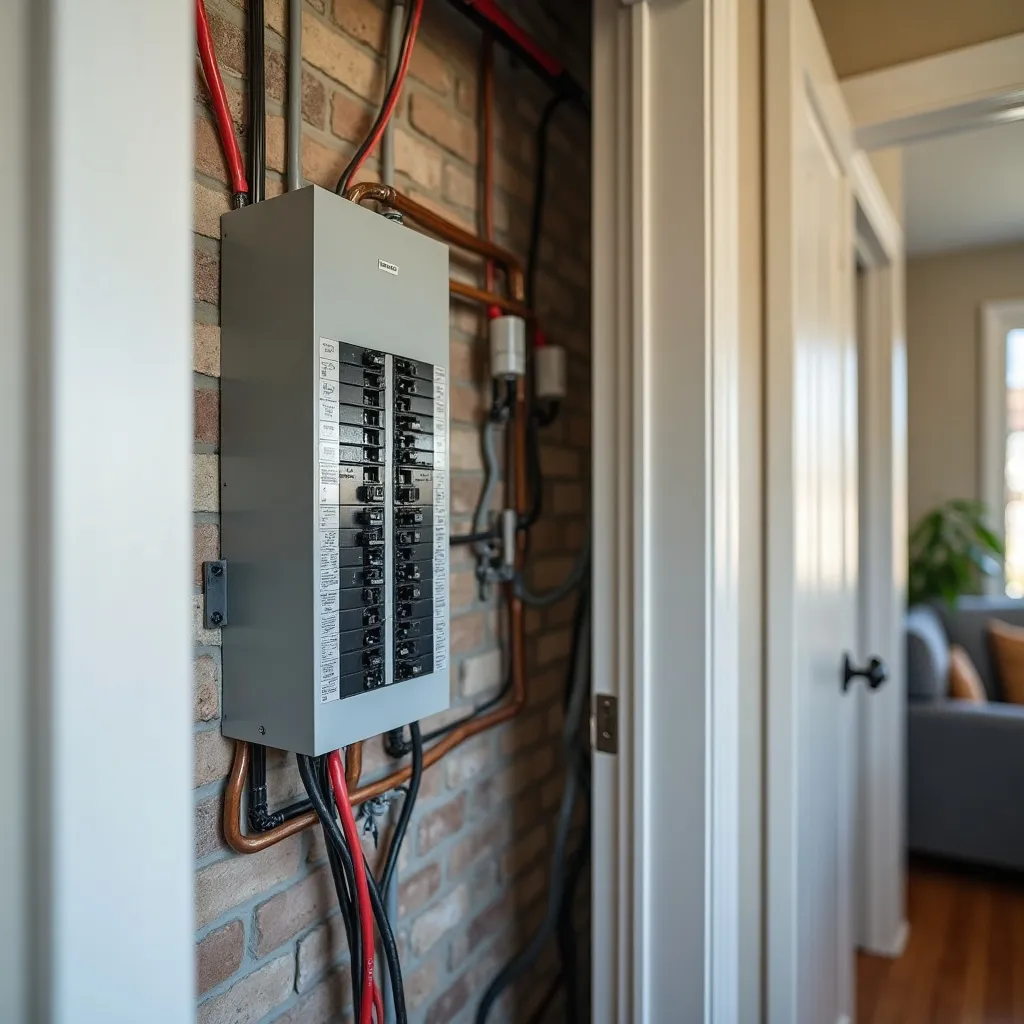
Everyday Power Faults & How Accomplished Electricians Repair Them
What electrical problems commonly affect homeowners, and how can professional electricians resolve them effectively? Common issues include lights that flicker, tripped circuit breakers, and power outlets with little or no power. These problems often stem from old wiring, circuits that are overloaded, or bad connections. Expert electricians possess the expertise to identify the underlying causes precisely and implement effective solutions.
For instance, flickering lights may indicate loose wiring or a malfunctioning fixture, which electricians can repair or replace. In cases of tripped circuit breakers, electricians evaluate load distribution and may recommend circuit upgrades to prevent recurrence. Additionally, non-functional outlets can indicate wiring issues that require immediate attention to ensure safety. By using their knowledge and tools, expert electricians not only resolve these problems but also enhance the overall safety and efficiency of a home's electrical system. Their expertise is vital in preventing future complications and securing reliable electrical performance.
The Rewards of Working with Skilled Electricians to Provide Safety
Securing expert electrical contractors is critical for ensuring protection in electrical operations. These experts warrant regulatory standards, which reduces potential risks while also supplying long-term cost savings through solid setups. Their expertise not only shields structures but also boosts the comprehensive security of dwellers.
Code Compliance Verification
Ensuring code adherence is crucial for the dependability and protection of any electrical system. Following state and national electrical codes not only defends property but also preserves lives. Expert electricians are qualified to understand and implement these codes efficiently, ensuring that work and repairs satisfy all required regulations. Their knowledge reduces the risk of electrical perils, such as fires or electrocution, which can stem from failure to comply. In addition, contracting specialists helps prevent potential fines and legal issues tied to substandard installations. By stressing code compliance, property owners can enhance the durability of their electrical systems while guaranteeing a safe and sound environment for occupants. To summarize, certified electricians are vital to maintaining and establishing these standards.
Strategic Methods to Threat Management
Using professional electricians significantly lowers the risks associated with electrical jobs. Their extensive training and experience help them to identify potential hazards that an untrained person might miss. By observing established safety protocols and local regulations, expert electricians reduce the chances of accidents, including electrical fires and shocks. They utilize top-quality materials and tools, ensuring installations and repairs meet safety standards. Moreover, their knowledge of the new technologies allows for efficient troubleshooting, stopping future hazards. Regular maintenance performed by professionals can also identify wear and tear before it causes dangerous situations. Ultimately, hiring qualified electricians is a smart measure to safeguard both property and individuals from electrical-related risks.
Long-Term Cost Savings
Professional electricians not only enhance safety by reducing risks but also offer significant contributions to long-term cost savings. By contracting competent specialists, property owners minimize the risk of costly electrical breakdowns and repairs stemming from improper installations or maintenance. Expert electricians ensure full compliance with regulations, thus avoiding penalties and potential legal complications. Their skill set produces energy-efficient solutions that curb utility costs over time. In addition, superior workmanship reduces the necessity for frequent repairs, thereby extending the operational life of electrical systems. Initial investments in expert services may seem high, but the long-run rewards—cut repair costs, increased energy efficiency, and better safety—easily offset upfront expenses, ultimately yielding major financial savings.
Expert Electrical Specialists Boosting Power Efficiency
While many property owners seek to reduce their energy bills, few realize the pivotal role that skilled electricians play in improving energy efficiency. Expert electricians leverage their knowledge to evaluate a home's electrical systems, pinpointing areas where energy loss occurs. They recommend upgrades such as efficient lighting solutions and appliances, which use considerably less energy.
In addition, these consultants guarantee that wiring and connections are enhanced, preventing wasted energy from faulty installations. They also instruct homeowners on smart technologies, such as programmable thermostats and energy management systems, that support energy savings.
Essential Electrical Standards Every Household Owner Ought to Know
Understanding electrical directives is critical for property owners seeking safety and compliance. The National Electrical Code sets the baseline for electrical requirements, while regional distinctions can introduce particular standards. Additionally, familiarity of common code violations can assist in preventing dangerous circumstances and expensive fixes.
National Electrical Code Essentials
The National Electrical Code (NEC) functions as a critical structure for electrical safety in residential and commercial buildings. Established by the National Fire Protection Association, the NEC outlines important guidelines for electrical installations, ensuring that systems are safe, efficient, and up to date. Key provisions cover wiring methods, grounding, circuit protection, and load calculations. Compliance with the NEC is required, as it helps prevent electrical risks such as fires and shocks. Regular updates to the code demonstrate advancements in technology and safety practices, making it essential for homeowners and electricians to stay informed. Understanding the NEC can enable homeowners to recognize safe practices and make informed decisions about their electrical systems.
Local Code Differences Clarified
Local electrical codes can vary considerably from one jurisdiction to another, reflecting specific regional needs and security considerations. These codes dictate standards for installations, materials, and safety measures, ensuring that electrical systems function dependably and safely. Homeowners should be aware that local codes may impose more stringent requirements than the National Electrical Code (NEC), addressing unique environmental factors or local infrastructure. For instance, areas prone to flooding may require additional waterproofing measures, while regions with extreme weather might necessitate enhanced grounding techniques. Understanding these variations is essential for homeowners planning renovations or new installations, as compliance is not only a legal obligation but also a significant factor in safeguarding property and lives. Consulting a local electrician can provide clarity on specific code requirements.
Standard Code Breaches Uncovered
Homeowners may assume their electrical systems are code-compliant, but numerous common violations often go unnoticed. These violations can lead to serious safety risks. A common concern is the absence of GFCI outlets in wet areas, essential resource which are vital for preventing electrical shock. In addition, incorrect wire sizing can cause overheating and potential fires. Overloaded circuits, where too many devices are plugged in, also violate the code and increase fire hazards. Moreover, exposed wiring and poor grounding can compromise a system’s safety. Homeowners should also be conscious of outdated wiring methods that do not comply with current standards. Regular inspections by a qualified electrician can detect these violations and guarantee adherence to electrical codes, protecting both property and occupants.
Budget Aspects for Reliable Electrical Services
How can you achieve quality and cost when deciding on electrical services? This question is essential for homeowners seeking trustworthy electrical solutions. The initial expense of employing a licensed electrical contractor may seem higher than that of an amateur; however, the long-lasting advantages often surpass the upfront expenses. Professional electrical services reduces the risk of future repairs and guarantees adherence with safety codes, ultimately reducing expenses over time.
When reviewing costs, one must consider the electrician's's expertise, standing, and the complexity of the job. Cheaper services may result in subpar work, causing dangerous situations or expensive repairs down the line. Additionally, trustworthy electricians often offer warranties, giving peace of mind. Consequently, a well-rounded strategy involves appraising both quality and expense, confirming that the chosen service meets safety standards while remaining within budget constraints. Investing in skilled work can generate major cost benefits and enhanced safety in the long run.
Signs You Need to Contact an Electrical Professional for Assistance?
Many property owners may miss subtle signs suggesting the requirement for expert electrical help. Lights that flicker often indicate a compromised connection or overloaded electrical circuits, signaling the need for immediate attention. Additionally, frequent circuit breaker trips can reveal problems beneath the surface that need professional knowledge. Homeowners should also be wary of burning smells or excessive warmth emanating from outlets, which can present dangerous fire risks.
Another warning signal is the presence of exposed wiring or worn cables, presenting both hazards and potential regulatory breaches. If outlets or switches are hot to the touch, this could suggest faulty wiring. Moreover, an increase in energy bills without a corresponding uptick in usage may suggest inefficiencies that an electrician can rectify. Identifying these warnings can help maintain electrical safety and efficiency, preventing minor issues from escalating into expensive fixes or hazardous situations.
Popular Inquiries Posed
What Credentials Should I Seek in an Electrical Contractor?
When looking for an electrician, one should prioritize a proper licensing, relevant certifications, adequate insurance, expertise with particular electrical work, and favorable client feedback to ensure both protection and workmanship quality.
How consistently Should I Organize Electric Inspections?
Electrical examinations ought to be organized every three to five years for domestic properties. However, more often inspections are advised if renovations occur, new appliances are added, or if safety concerns arise, ensuring peak operation and safety.
Can Electricians Able to Installing Automated home devices?
Electricians can successfully install smart home technology. Their skill allows them to link devices smoothly, ensuring proper functionality and security. This installation improves home automation, providing ease of use and enhanced energy management for homeowners seeking modern solutions.
What may I perform during an electric emergency?
During an electrical emergency, you should immediately turn off the power at the main electrical panel, avoid using water, and call a qualified electrician. Keeping yourself calm and secure is vital until professional help arrives.
What Warranties Cover Electrical Work Completed?
Many electricians extend guarantees for their work, typically covering labor and materials for a specific duration. Clients should question warranty details before engaging, assuring clarity on what is covered and any conditions that hold true.